
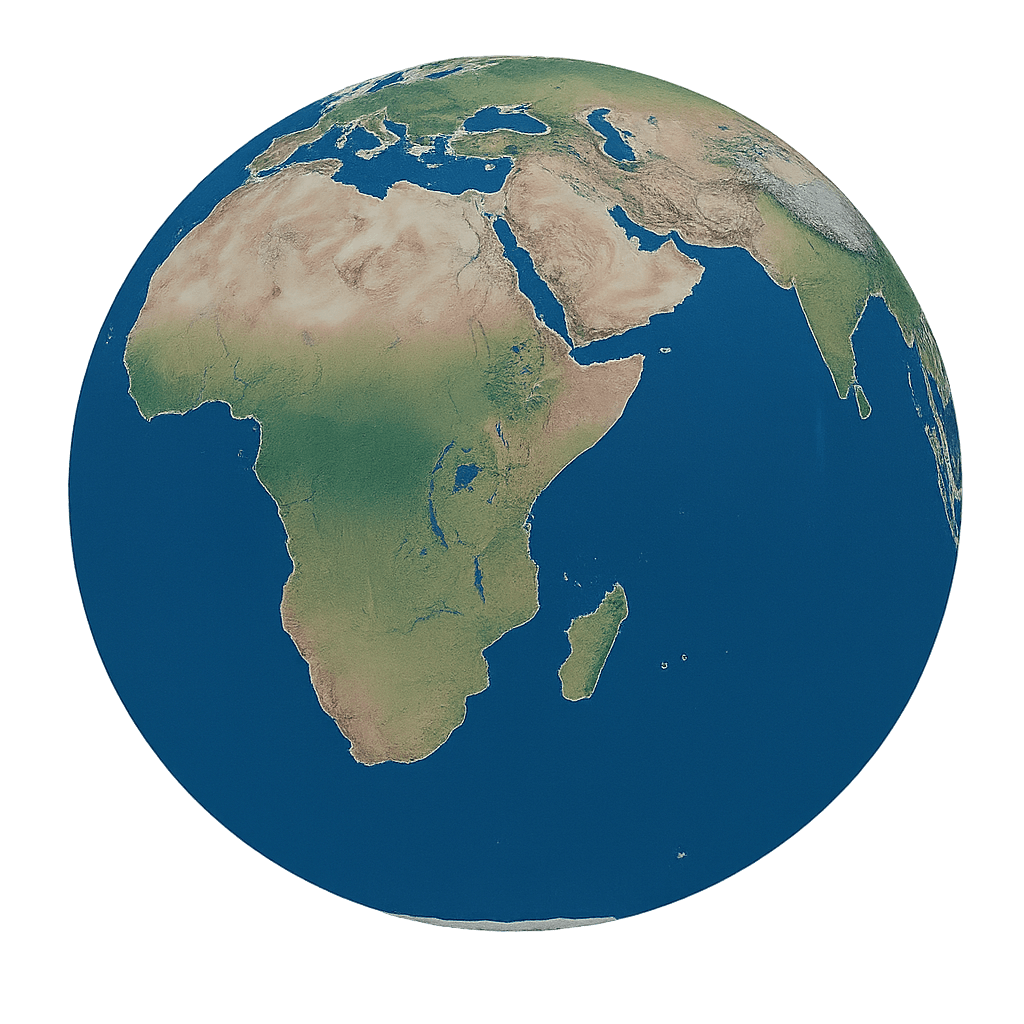
Atmospheric water generator market seen tripling to $11.2 billion by 2031
A new Allied Market Research report says the global atmospheric water generator market will expand from $4.4 billion in 2021 to $11.2 billion by 2031, driven by water scarcity, urbanization, and demand for decentralized water systems. Asia-Pacific led the market in 2021, while industrial uses and cooling condensation systems held the biggest shares.
Why it matters: - Water shortages are pushing governments, businesses, and humanitarian groups to look for alternate sources that do not depend on traditional pipelines or local reservoirs. - Atmospheric water generators can produce potable water from ambient air, making them relevant for water-stressed regions, remote sites, and emergency supply needs. - The market’s projected growth points to rising spending on sustainable water infrastructure and water security technology.
What happened: - Allied Market Research said the global atmospheric water generator market was valued at $4.4 billion in 2021. - The report projects the market will reach $11.2 billion by 2031, reflecting a 9.9% compound annual growth rate from 2022 to 2031. - The study covers product type, application, and distribution channel. - The report is titled "Atmospheric Water Generator Market by Product Type, Application, and Distribution Channel: Global Opportunity Analysis and Industry Forecast, 2022–2031." - The report is available through a sample PDF request.
The details: - AWGs extract moisture from ambient air through condensation technologies and convert it into potable water. - The systems are being used across residential, commercial, industrial, and military settings. - Cooling condensation systems held the largest product share in 2021 because of broad adoption, mature technology, and the ability to generate large water volumes across varied climates. - Wet desiccation systems are expected to grow faster during the forecast period because of stronger performance in low-humidity environments. - Industrial applications generated the highest revenue in 2021, supported by water needs in manufacturing, construction, mining, and remote industrial sites. - Commercial adoption is rising across hotels, schools, healthcare facilities, and office complexes. - Residential demand is also growing as consumers focus on water quality, reliability, and sustainability. - Direct sales accounted for a significant revenue share because large commercial and industrial projects often require customized deployments. - Manufacturers are expanding distribution networks to reach more residential and commercial buyers.
Between the lines: - The market’s growth drivers include freshwater shortages, population growth, urbanization, drought risk, off-grid infrastructure development, and higher awareness of water conservation. - Demand is also tied to climate pressure, as droughts and water stress make decentralized supply systems more attractive. - Technology trends are moving toward energy-efficient systems, renewable power integration, advanced filtration, smart monitoring, portable units, and IoT-enabled platforms. - The report’s regional picture suggests the strongest near-term demand will continue to come from Asia-Pacific, where population growth and water stress are most acute. - North America’s growth is linked to sustainable infrastructure investment and drought resilience, while Europe is being shaped by environmental goals and tighter water regulations. - LAMEA is emerging as a growth area as Middle East and African countries invest in supplementary water sources.
What’s next: - Allied Market Research expects continued adoption as governments and companies seek resilient water supply options. - Manufacturers are likely to focus on efficiency gains, lower operating costs, and broader scalability across end markets. - The report highlights ongoing opportunities in off-grid, emergency, and portable water generation applications. - Readers can request an inquiry before buying, request customization, or access the full report.
The bottom line: - Atmospheric water generators are moving from niche technology to a broader water-security tool as scarcity, climate stress, and sustainability goals reshape demand.
Disclaimer: This article was produced by AGP Wire with the assistance of artificial intelligence based on original source content and has been refined to improve clarity, structure, and readability. This content is provided on an “as is” basis. While care has been taken in its preparation, it may contain inaccuracies or omissions, and readers should consult the original source and independently verify key information where appropriate. This content is for informational purposes only and does not constitute legal, financial, investment, or other professional advice.
Sign up for:
European Governments Today
The daily local news briefing you can trust. Every day. Subscribe now.
Check Your Email!
We sent a one-time activation link to: .
Confirm it's you by clicking the email link.
If the email is not in your inbox, check spam or try again.
Welcome back!
is already signed up. Check your inbox for updates.